


July Bird Bulletin
Courtesy of Kate Neall, owner of Wild Birds Unlimited in Gambrills
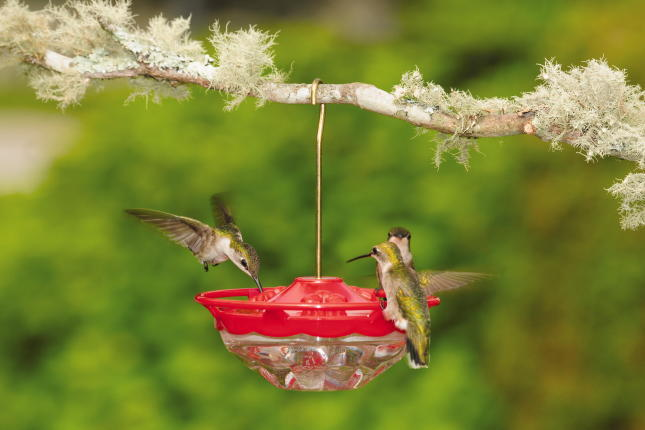
• Watch for those baby hummingbirds! The first brood of immature hummingbirds begin to show up at nectar feeders early in the month – be sure to keep your nectar fresh and available. The hot, humid, weather of July can spoil nectar quickly, so you may need to change it almost daily – check it regularly to ensure freshness. If you don’t want to have to make your own nectar, Wild Birds Unlimited carries a variety of easy nectar options that can help get you through the “dog days of summer” more easily!
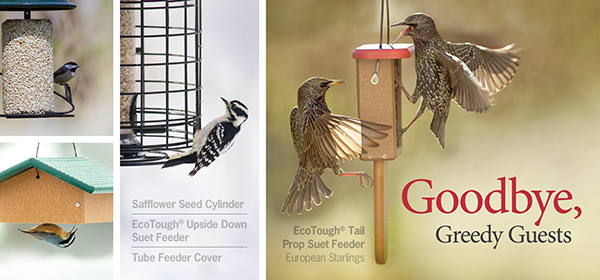
• Flocking Blackbirds! Blackbirds begin to flock and appear at feeders (if they haven’t already). Some people enjoy feeding these birds as much as others, but they tend to eat more than their fair share! To deter them, you can use feeders that restrict their access and only allow the smaller birds access to eat. Switching to Safflower seed can help! Safflower seeds are a good option for attracting other birds like cardinals, house finches, and chickadees while discouraging the larger, more aggressive birds like blackbirds, starlings, and grackles that tend to dislike/avoid it. Safflower seed is bitter tasting to squirrels and other mammals, so it can be a great deterrent for them too!
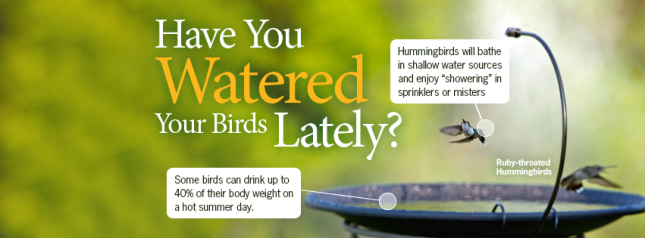
Summer Bird Bath Tips:
- Provide Fresh Water: Maryland summers can serve up brutal heat! A clean birdbath with fresh, shallow water will keep the birds happy and visiting regularly!
- Regular Cleaning: Wash bird baths thoroughly every 1-2 weeks or so with soap and water or a heavily diluted bleach solution to prevent bacteria risks.
- Keep it Moving: Adding a bubbler or mister to your bird bath will keep the water moving, making it more attractive to your bird population. Moving water also makes it harder for algae to grow and deters mosquitoes from using it as a breeding ground.